





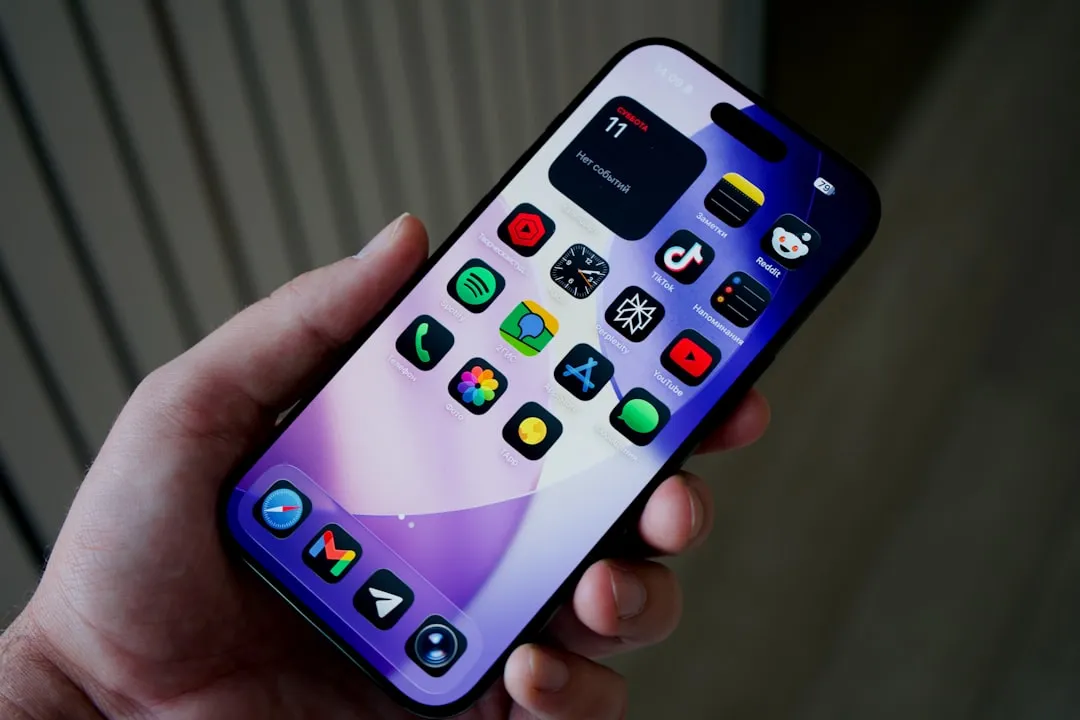
A report claims Apple is planning "aggressive pricing" for the iPhone 18 Pro. The evidence points not to a broad sticker-price surge across the lineup, but to something more targeted: Apple widening the distance between its Pro tier and everything below it, pushing the premium ceiling higher where hardware investment gives it cover, while keeping entry pricing accessible enough to protect volume on a product it sells roughly 200–230 million units annually.
That interpretation is built on a year of observable Apple behavior. The company absorbed $800 million in tariff costs in one quarter and projected another $1.1 billion the next, then kept headline iPhone pricing largely unchanged at launch. In China, it reportedly cut Pro model prices in China to align with subsidy thresholds. These are not the moves of a company preparing a blunt across-the-board increase.
What the evidence does support is a company preparing to push the Pro ceiling higher on silicon grounds, while leaving base and mid-tier pricing largely intact.
What the report leaves out and why that matters
The "aggressive pricing" claim for iPhone 18 Pro pricing remains thin on specifics. No price points have been reported, no bill-of-materials estimates for the 18 Pro have surfaced, and the original source has not clarified whether "aggressive" means higher absolute prices, a wider Pro-to-base spread, region-specific adjustments, or some combination.
That ambiguity has precedent worth taking seriously. Last year, the Wall Street Journal reported Apple was considering potential price hikes for its fall iPhone lineup, but wanted to pair any increases with new features and design changes, and was keen to avoid framing the move as tariff pass-through. Four months later, Apple launched without raising prices on any device, including iPhones, Apple Watch, or AirPods Pro. Plans change between spring and September.
That history suggests a practical filter for evaluating any iPhone 18 Pro pricing report: if the rationale cited is tariff pressure alone, skepticism is warranted. Apple has absorbed significant costs without passing them to consumers and has limited room to do so without damaging demand. If the rationale shifts to new silicon or an explicit widening of the Pro-to-base gap, that is far more consistent with how Apple has actually operated.
What tariffs can and cannot explain about iPhone 18 Pro pricing
Tariffs are a real cost constraint, but the math makes full pass-through impossible.
Separate analyst estimates from Rosenblatt Securities calculated that fully covering tariff exposure would require price increases of roughly 43%, enough to push the iPhone 16 Pro Max from $1,599 to nearly $2,300. Counterpoint Research co-founder Neil Shah put the break-even threshold at around 30%. CFRA analyst Angelo Zino argued Apple would struggle to pass through more than 5% to 10% without eroding demand. A sharp price increase would also hand Samsung a competitive opening, given that South Korean-assembled devices face lower tariff exposure than China-made iPhones.
Supply chain diversification helps at the margins but does not resolve the problem. Vietnam faced varying tariff exposure depending on U.S. trade policy at the time, meaning no current manufacturing alternative is cost-free. Rosenblatt estimated Apple's full tariff liability at up to $40 billion.
The ceiling this creates is clear: Apple cannot price its way out of tariff costs on the iPhone 18 Pro. Any increase on that model will need a different story, one buyers accept as a reason to pay more rather than a cost being passed along.
The hardware case for a higher iPhone 18 Pro price
The more credible rationale for a higher Pro price point is silicon.
TSMC is expanding its most advanced chip-packaging capacity to support Apple's next device generation. The foundry is upgrading its Longtan facility and building a new production line at its Chiayi AP7 site, with institutional investors estimating that WMCM packaging capacity could reach 60,000 wafers per month by the end of 2026 and more than double to over 120,000 by 2027, according to TrendForce. Apple's expected adoption of 2nm technology is projected to span iPhones, M-series MacBook chips, and the R2 chip for its head-mounted device, making Apple the primary driver of that capacity expansion.
To be precise about what this supports: the expansion confirms Apple is investing in more advanced and more expensive chip manufacturing across its premium product lines. It does not confirm that the 18 Pro's chip cost will rise enough to force a price increase on its own. What it establishes is that Apple has a credible hardware narrative available, one built on process-node advancement and packaging complexity, if it chooses to deploy that story to justify a higher Pro price.
Apple has run this playbook before. At the fall 2025 launch, CEO Tim Cook said the company was making "the biggest leap ever for iPhone" and positioned silicon integration and durability as the headline value proposition. eMarketer analyst Gadjo Sevilla noted Apple sidestepped "the heart of the AI arms race while positioning itself as a longtime innovator on the AI hardware front, with silicon and device-level integration." A genuine 2nm generational leap gives Apple a comparable framing opportunity for the 18 Pro, and a more defensible basis for a premium price than any tariff-recovery argument would provide.
What "aggressive" most likely means for iPhone 18 Pro buyers
Apple's behavior in China offers the clearest model for how it actually deploys Pro pricing as a market tool.
When Pro iPhones were priced above the threshold qualifying for China's government subsidy program, Apple cut Pro prices to get under the ceiling, captured the volume opportunity, and it worked, MoffettNathanson analysts noted. That is the same company now reportedly planning "aggressive pricing" on the 18 Pro. The phrase carries different meanings depending on which market problem Apple is trying to solve.
In the U.S., the relevant precedent is tier-widening rather than broad increases. The iPhone 16e launched at $599 as an entry point into Apple's AI ecosystem, creating a sharper distance between the accessible and the premium. "Aggressive pricing" on the 18 Pro, read against that backdrop, most likely describes the same logic applied to the top of the lineup: a higher ceiling on the Pro tier, justified by silicon, while the base iPhone and mid-tier models stay priced to move volume.
For buyers tracking the iPhone 18 Pro price rumor cycle, the practical read is this: a broad iPhone price jump is unlikely, given Apple's track record and the demand risk analysts have consistently flagged. A Pro-specific increase, potentially modest in absolute terms but meaningful relative to the base model, is more consistent with everything Apple has done. The more visible the generational hardware upgrade at launch, the more credible that increase will be. If the 18 Pro arrives with incrementally refined specs and no clear step-change in capability, "aggressive" will be difficult to sustain at retail.
Apple absorbed nearly $2 billion in tariff costs across two quarters and still held prices flat at its last launch. A company with 220 million units of annual volume at stake knows the difference between pricing aggressively and pricing recklessly. Whether the 18 Pro clears that bar will depend entirely on what Apple actually puts inside it.









Comments
Be the first, drop a comment!